Methodology
How the Alphameter market regime is calculated
Part 1: Alphameter (Market Regime)
The Alphameter is a composite market regime indicator that synthesizes six cross-asset signals into a single score ranging from -100 (extreme risk-off) to +100 (extreme risk-on). Each indicator generates a signal — risk-on, neutral, or risk-off — which is combined into the final composite score.
Market Regime Classification
Risk-On
Favor growth, cyclicals, and higher-beta assets
Neutral
Mixed signals — dollar cost average into all investments
Risk-Off
Prioritize capital preservation and defensive holdings
The Six Market Indicators
Each indicator is chosen for its empirical track record as a cross-asset risk barometer. Together, they span equities, fixed income, currencies, and commodities to minimize single-asset bias.
VIX Fear Gauge (Contrarian)
Measures implied volatility on S&P 500 options. VIX below 20 signals complacency, above 28 signals elevated fear. Used as a CONTRARIAN indicator — when VIX spikes (fear), the Alphameter reads it as a buy signal. Periods of high VIX have historically preceded market rebounds.
Source: CBOE Volatility Index
AUD/JPY (Contrarian)
The Australian dollar (commodity/growth currency) vs. Japanese yen (safe haven) is a well-established proxy for global risk appetite. Used as a CONTRARIAN indicator — when the carry trade unwinds (falling AUD/JPY), the Alphameter treats it as a buy opportunity rather than a sell signal.
Source: Forex Market Data
Copper / Gold Ratio
Copper is an industrial bellwether ("Dr. Copper"), gold is the ultimate safe haven. A rising ratio signals economic optimism (risk-on); a falling ratio signals defensive positioning (risk-off).
Source: COMEX / London Fix
Bond Yields (10Y Treasury)
Rising yields indicate growth confidence and inflation expectations (risk-on). Rapidly falling yields signal a flight to safety (risk-off).
Source: U.S. Treasury Department
Sector Rotation (XLY/XLP)
The ratio of Consumer Discretionary (XLY) to Consumer Staples (XLP) captures rotation between cyclical growth and defensive positioning. Rising ratio = risk-on.
Source: S&P Sector ETFs
Dollar Strength (DXY)
A rapidly strengthening dollar often coincides with global risk aversion and capital repatriation (risk-off). A weakening dollar supports risk assets and emerging markets (risk-on).
Source: ICE U.S. Dollar Index
Contrarian vs Trend-Following
Not all indicators are read the same way. Each indicator was tested to determine whether it works best as a trend-following signal (go with the direction) or a contrarian signal (fade the direction).
Contrarian (Signal Flipped)
- VIX — Fear spikes precede recoveries
- AUD/JPY — Carry trade unwinds create buy opportunities
When these indicators flash risk-off, the Alphameter treats it as a buying opportunity. High fear = others are selling = prices are discounted.
Trend-Following (Signal Kept)
- Copper/Gold — Falling ratio confirms slowdown
- Bond Yields — Falling yields confirm flight to safety
- Sector Rotation — Defensive leadership confirms risk-off
- DXY — Dollar strength confirms capital repatriation
These indicators are read at face value. When they signal risk-off, the underlying trend is likely to continue.
This is why the composite score can appear to disagree with the raw indicator signals. For example, several indicators may show risk-off, but if VIX (contrarian) is one of them, its flipped signal can offset the others — reflecting the historical pattern that peak fear often marks a market bottom.
Update Frequency
The Alphameter updates automatically via a scheduled cron job once a day, at midnight UTC, once the US session has settled. It fetches market data from public APIs and normalizes against historical ranges.
An earlier version also recomputed at the NYSE open. That run was removed in August 2026 because it scored partial intraday bars that were then overwritten at the close, so the same day could print two different regimes. Every reading now comes from final closing prices — the same basis as every backtest on this site.
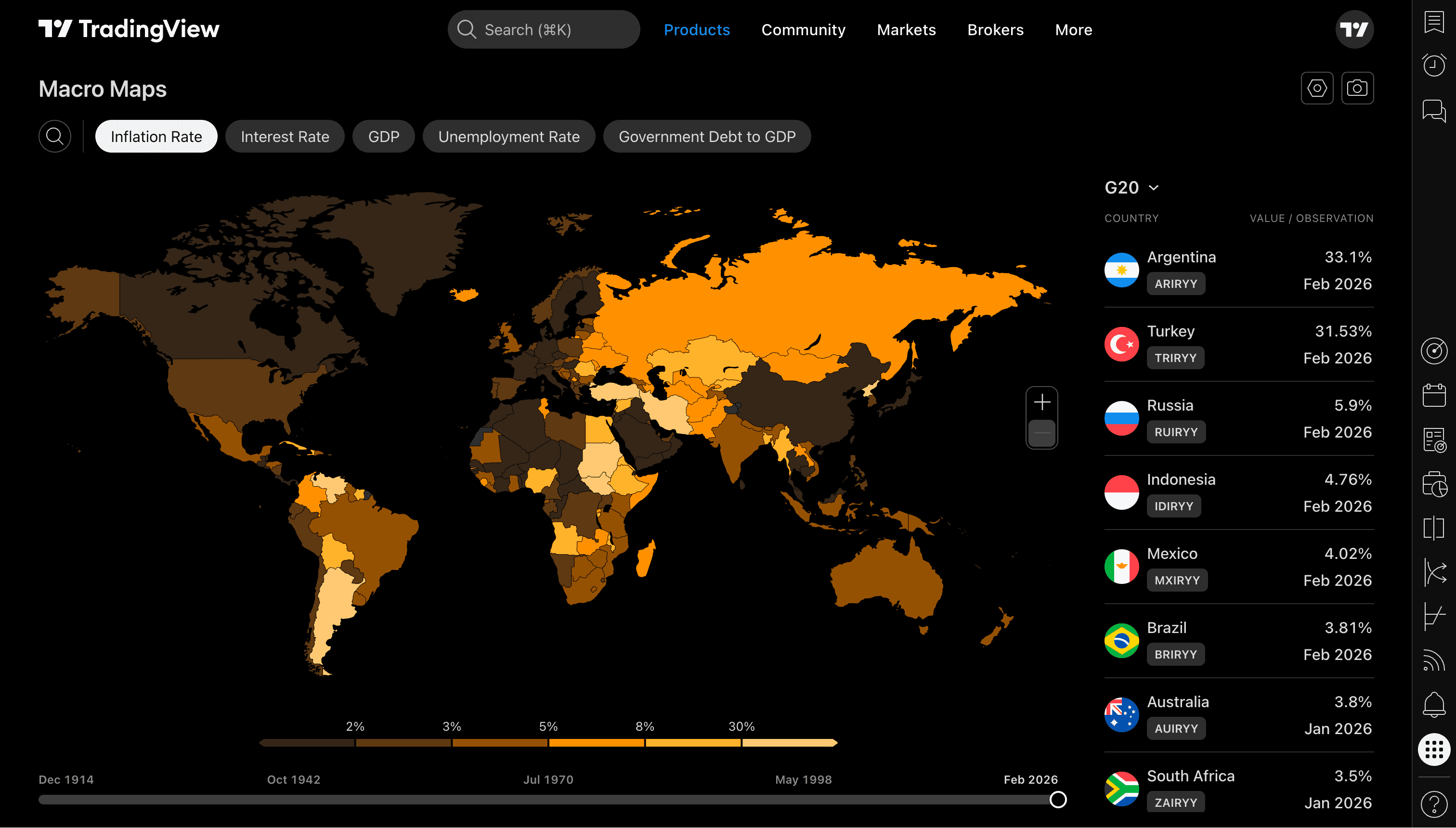

Chart VIX, Copper/Gold, AUD/JPY, DXY, and 10Y yields in one layout. Free tier is enough to replicate.
Limitations & Disclaimer
This is a decision-support tool, not financial advice. The Alphameter can lag during rapid dislocations. Always combine these readings with your own research and risk management. Past performance does not guarantee future results.
Frequently Asked Questions
What is the Alphameter and how does it work?▼
The Alphameter is a market regime indicator built by Alphamancy that tracks 6 cross-asset signals: VIX, AUD/JPY, Copper/Gold, Bond Yields, Sector Rotation, and the Dollar Index. It produces a single composite score from -100 (extreme risk-off) to +100 (extreme risk-on), classifying markets as risk-on, neutral, or risk-off. Indicator weights are set from how these six markets behave across equities, bonds, commodities, and currencies, and are deliberately frozen rather than tuned against historical data.
What is a market regime?▼
A market regime is the dominant state of investor risk appetite across global financial markets. Risk-on regimes favour growth assets like equities and crypto. Risk-off regimes favour safe havens like bonds and gold. Neutral regimes show mixed signals with no clear directional bias. Regimes can persist for days, weeks, or months.
How often does the Alphameter update?▼
The Alphameter updates automatically once a day, at midnight UTC, after the US session has settled. It computes on final closing bars rather than partial intraday prices, which is the same basis as the backtests. Market data is fetched from public APIs and normalized against historical ranges.
What data sources does the Alphameter use?▼
The market regime uses Yahoo Finance for real-time price data across equities, currencies, commodities, and bonds. All inputs are public, free, and verifiable.
The information provided on Alphamancy is for educational and informational purposes only and does not constitute financial advice. Past performance is not indicative of future results.